Discover the Rich History of Glenn County
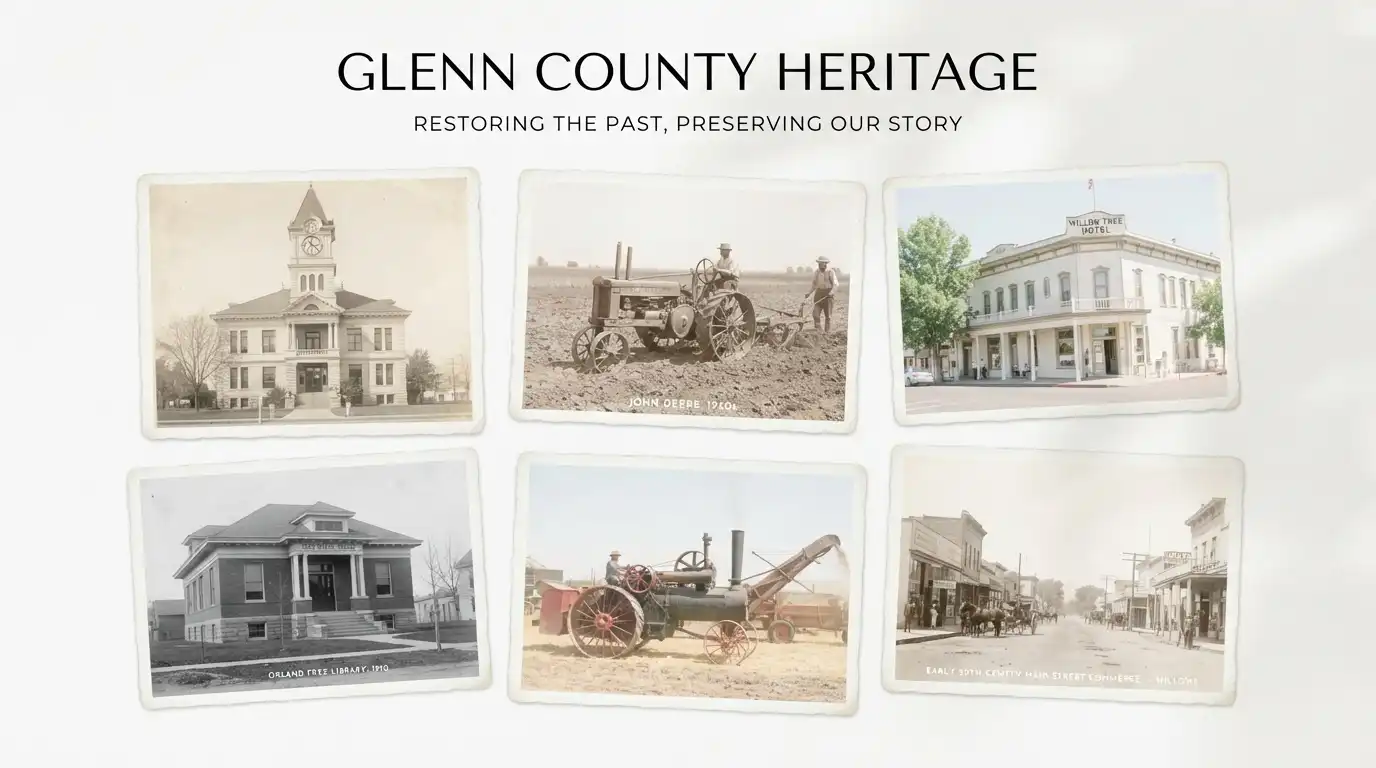
Established in 1891, Glenn County has a long history rooted in agriculture, community, and resilience. Learn how the county developed over the years and the people and events that helped shape its identity.
The Founding of Glenn County
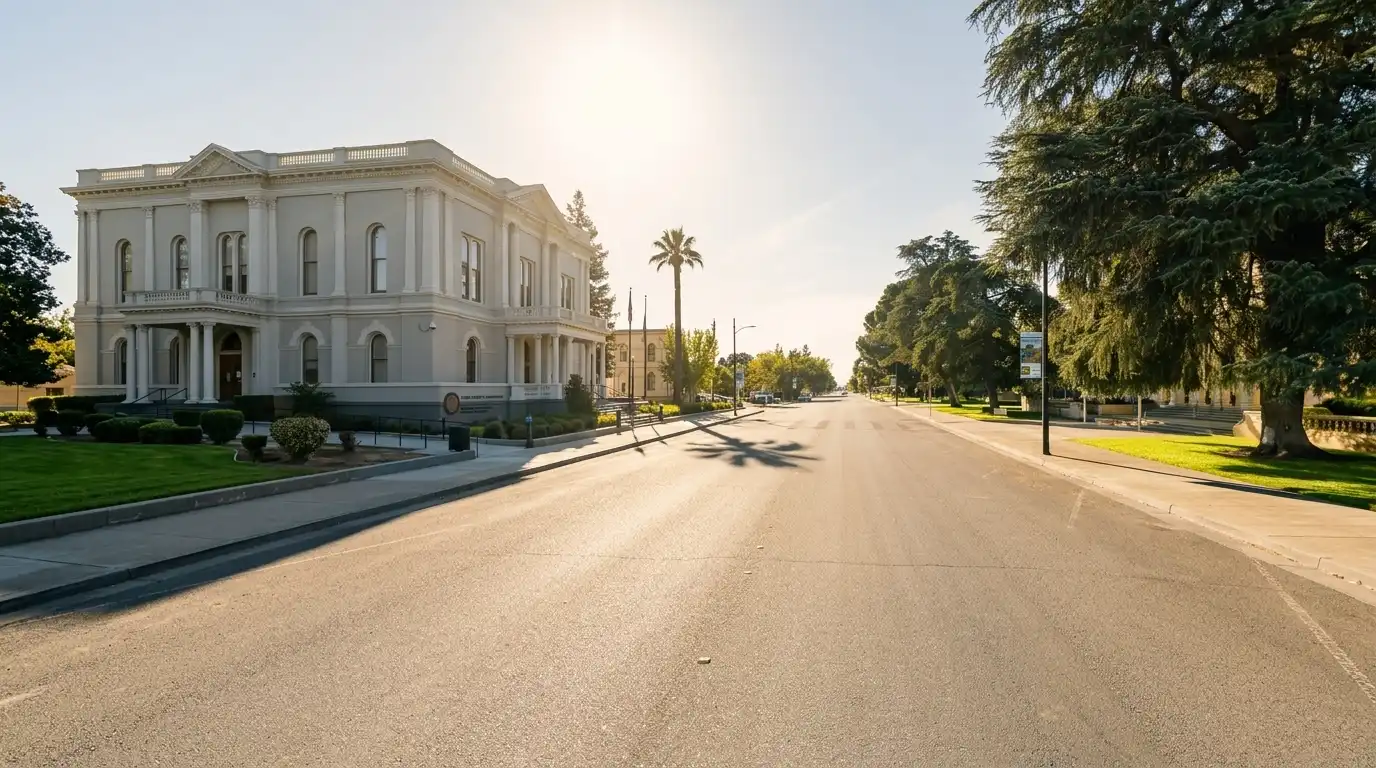
Glenn County was officially established on March 11, 1891, when it was separated from Colusa County. The new county was named in honor of Dr. Hugh J. Glenn, a successful rancher and wheat farmer whose agricultural innovations helped transform the Sacramento Valley. His influence on California’s farming industry made him one of the most respected figures of his time.
A Legacy of Agriculture
Agriculture has long been the foundation of Glenn County’s economy and identity. Early settlers recognized the region’s fertile soil and favorable climate, making it ideal for farming and livestock production. Over the decades, the county became known for producing rice, almonds, walnuts, prunes, olives, and other crops that continue to support local communities and contribute to California’s agricultural success.
The Growth of Local Communities
Communities such as Willows, Orland, Hamilton City, Elk Creek, Artois, and Butte City developed alongside the county’s expanding agricultural industry. These towns became centers for commerce, education, transportation, and community life, each contributing to the county’s unique cultural heritage and small-town atmosphere.
Railroads and Economic Development
The arrival of the railroad during the late nineteenth century played a significant role in Glenn County’s development. Improved transportation allowed local farmers to move crops more efficiently to markets across California and beyond, encouraging economic growth and attracting new residents and businesses to the region.
Natural Landscapes and Conservation
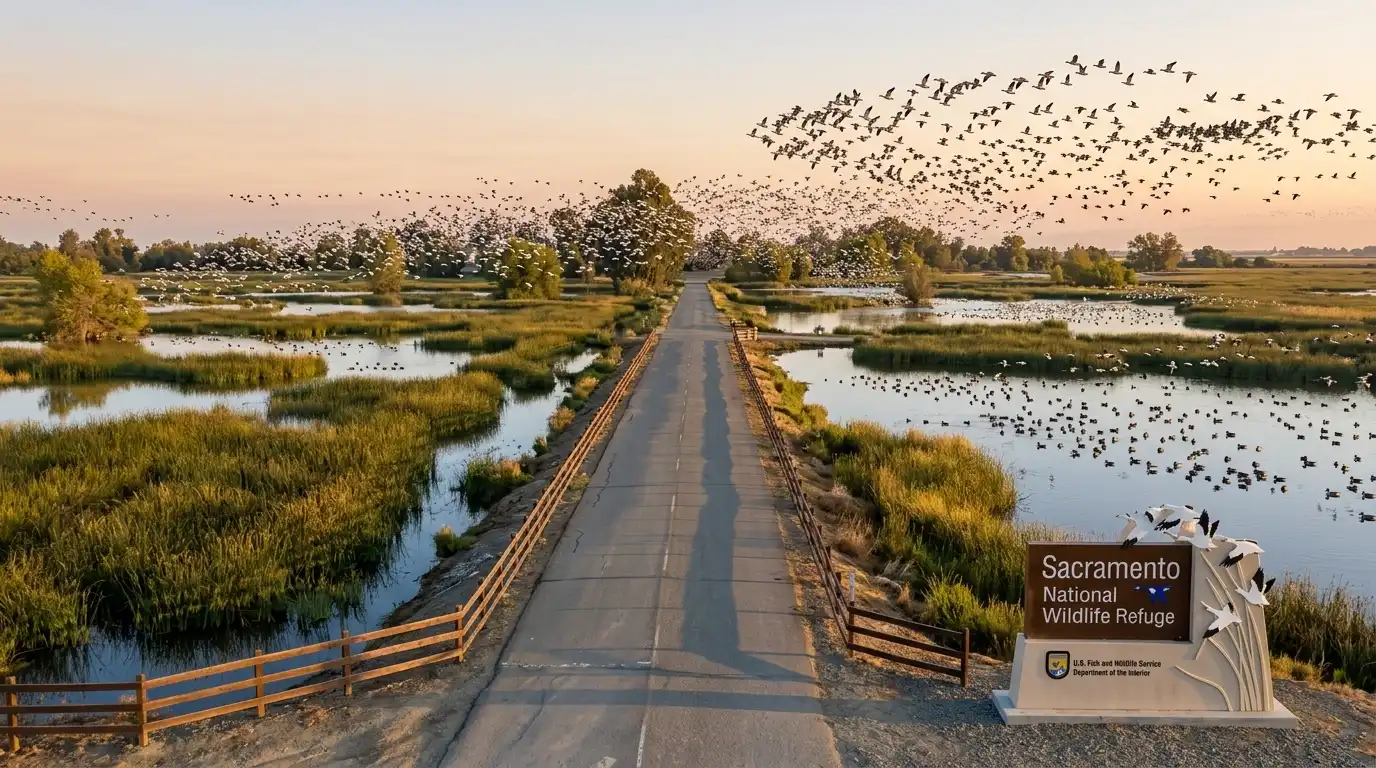
Beyond its agricultural importance, Glenn County is home to remarkable natural resources. The Sacramento River, Black Butte Lake, and the Sacramento National Wildlife Refuge provide important habitats for migratory birds and native wildlife while offering opportunities for recreation, photography, fishing, hiking, and environmental education.
Historic Landmarks and Cultural Heritage
Throughout Glenn County, historic buildings, museums, churches, and public spaces reflect the county’s rich past. Many landmarks preserve the stories of early settlers, ranchers, and local businesses that helped shape the region into the vibrant community it is today. Annual events and local traditions continue to celebrate this heritage for future generations.
Glenn County Today
While agriculture remains the county’s largest industry, Glenn County also values conservation, education, tourism, and community development. Visitors can explore scenic landscapes, historic downtown districts, wildlife refuges, and outdoor recreation areas that showcase the county’s diverse natural beauty and welcoming rural lifestyle.
Preserving the County’s Story
Understanding Glenn County’s history provides valuable insight into the people, industries, and landscapes that have shaped Northern California for more than a century. By preserving historical information and sharing educational resources, future generations can continue to appreciate the county’s lasting contributions to California’s cultural and agricultural heritage.